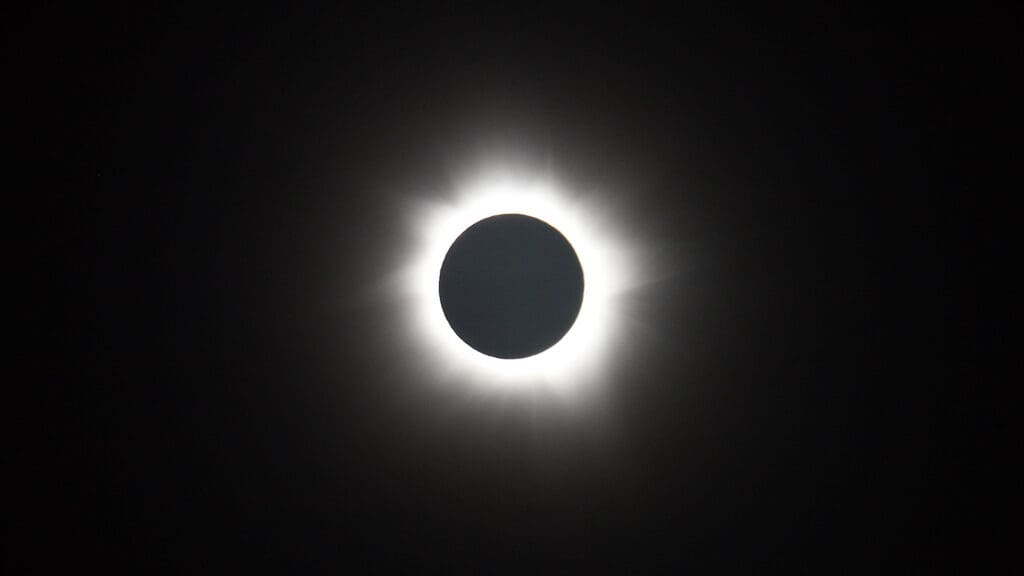
Zonsverduisteringen fotograferen
Algemene info over Zonsverduisteringen fotograferen
Zonsverduisteringen fotograferen is door de zeldzaamheid van het verschijnsel niet zo evident. Veel kans om te experimenteren krijg je dus niet. Je bereidt je dus best goed voor om een zonsverduistering mooi en gedetailleerd te fotograferen. Deze rubriek kan hierbij alvast een goed hulp zijn.
Inhoudsopgave
- Waarom denk je dat je iets zinvol over zonsverduisteringen fotograferen te vertellen hebt?
- Hoe ontstaat een zonsverduistering ?
- Welke soorten van zonsverduisteringen bestaan er ?
- Komen zonsverduisteringen frequent voor?
- Wanneer is er nog eens een (totale) zonsverduistering in België ?
- Bestaat er een alternatief om de zonneatmosfeer te fotograferen ?
- Waar koop ik een veilig zonnefilter of eclipsbrilletje?
- Hoe plan ik mijn volgende totale zonsverduistering?
- Met welke lens fotografeer ik de zonsverduistering?
- Hoe organiseer mij fotografisch gezien?
- Welke momenten zijn belangrijk om te fotograferen?
- Welke zijn de meest gedetailleerde foto’s die er ooit van een zonsverduistering werden gemaakt?
- Hoe kan ik nog anders fotografisch creatief omgaan met zonsverduisteringen ?
- Foto’s van de Ringvormige Zonsverduistering van 3 oktober 2005 (Madrid, Spanje)
- Foto’s van de Totale Zonsverduistering van 8 april 2024 (Lake Clear, USA)
Waarom denk je dat je iets zinvol over zonsverduisteringen fotograferen te vertellen hebt?
Onderstaande tips & trucs zijn gebaseerd op eigen ervaringen. Jarenlang was ik reis- en expeditieleider voor Belgisch-Nederlandse groepen van amateur sterrenkundigen naar totale zonsverduisteringen op diverse plaatsen in de wereld. In totaal vonden een dertiental reizen plaats en dit naar alle uithoeken van de wereld. Een overzichtje:
- 22 Juli 1990, Joensu, Finland (Totale zonsverduistering)
- 11 juli 1991, La Paz, Baja California, Mexico (Totale zonsverduistering)
- 3 november 1994, Rio Mulatos, Bolivië (Totale zonsverduistering)
- 26 februari 1998, Maracaibo, Venezuela (Totale zonsverduistering)
- 11 augustus 1999, Frankrijk (Totale zonsverduistering)
- 2000, Groenland (Gedeeltelijke zonsverduistering)
- 21 juni 2001, Zambia (Totale zonsverduistering)
- 3 oktober 2005, Spanje (Ringvormige verduistering)
- 1 augustus 2008, Mongolië (Totale zonsverduistering)
- 22 Juli 2009, China (Totale zonsverduistering)
- 13 November 2012, Australië (Totale zonsverduistering)
- 8 April 2024, USA (Totale zonsverduistering)
Welke totale zonsverduisteringen heb ik dan écht kunnen zien: Mexico, Bolivië, Venezuela, Zambia, Spanje (ringvormige), Mongolië, Australië en de USA: 8 op de 12 waren een succes. Success rate is dus 2 op de 3. Totaliteitsfase niet kunnen zien vanwege bewolking: Finland, Frankrijk, Groenland, China.
In 1991 hebben we, dit is Project- en Volkssterrenwacht AstroLAB IRIS (waar ik al meer dan 40 jaar de voorzitter van ben), meegeholpen aan een experiment van de zonnefysicus Dr. Clette van de Koninklijke Sterrenwacht van België. We hebben in La Paz (Mexico) foto’s genomen van de Zon tijdens de totaliteitsfase en dit in gepolariseerd licht. We bouwden voor hen zelfs een heuse polarisatiefilterhouder.
Als ervaringsdeskundige, 12 verduisteringen in een tijdspanne van 35 jaar, denk ik dat ik er dan toch redelijk wat van ken en dan misschien ook tamelijk goed geplaatst ben om er toch het een en het ander, concreets en praktisch, over te vertellen. 😉
Fotografeer nooit de Zon zonder gebruik te maken van een speciaal zonnefilter!
Enkel tijdens de totaliteitsduur kan en moet je zonder filter fotograferen.
Hoe ontstaat een zonsverduistering ?
Een zonsverduistering ontstaat wanneer onze Maan precies voor de Zon komt te staan. Doordat Aarde, Maan en Zon op één lijn komen te staan kan het zonlicht al dan niet totaal de Aarde niet meer bereiken. Er ontstaat als het ware een zwart gat voor de Zon: ze is verduisterd.
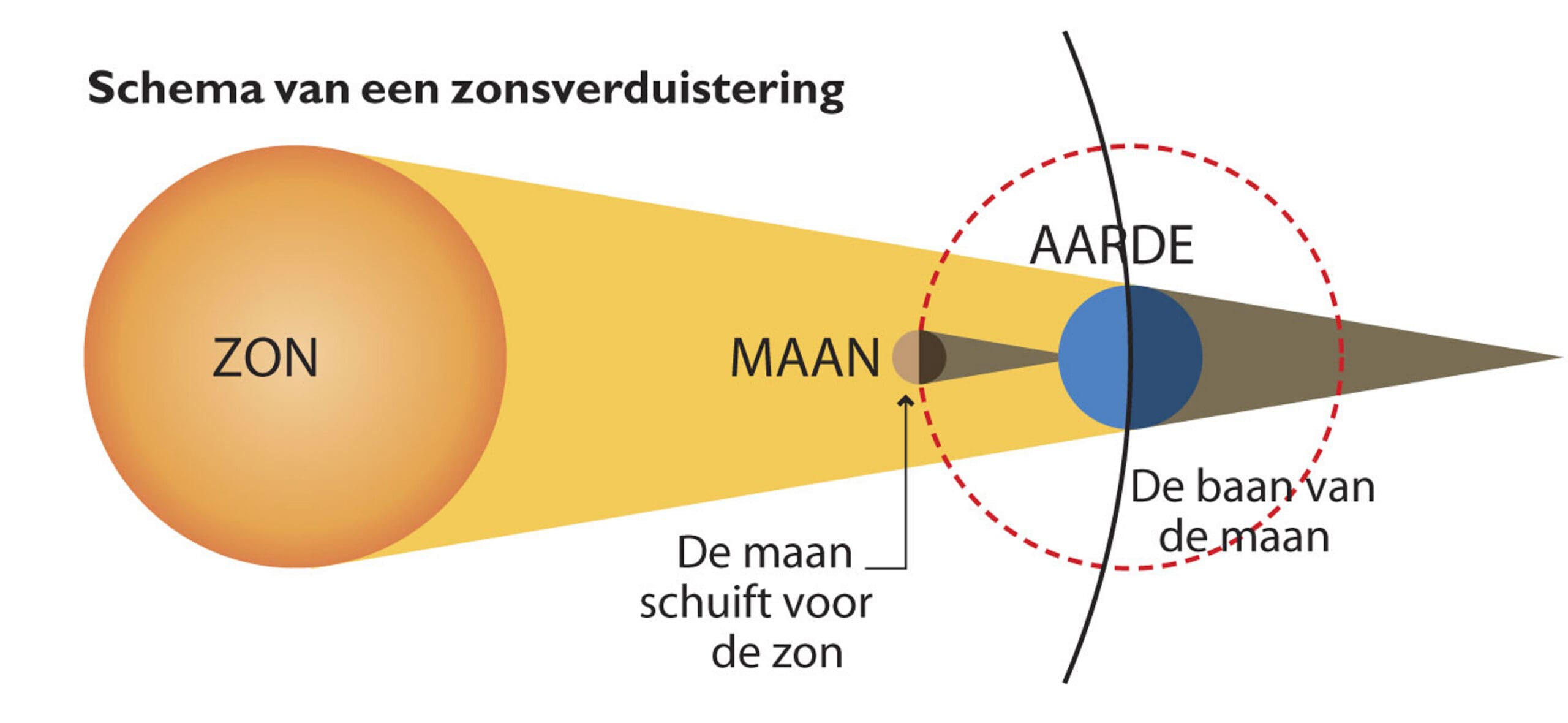
Let wel op: de Zon is nooit verduisterd in één keer op alle plaatsen op Aarde. Nee, er is enkel een bepaalde zone, de totaliteitszone geheten, waar de Zon en Maan precies in elkaars verlengde staan en dus de totale zonsverduistering zal te zien zijn. Bekijk dit filmpje over de zonsverduistering van 8 april 2024 (die wij waarnamen vanuit de USA) gezien vanaf de satelliet GOES-16: ze toont goed dat de Maan een schaduw laat vallen op de Aarde. Deze schaduw verplaatst zich met een ongelooflijke snelheid over de Aardoppervlak. Of anders gezegd: tijdens een totale zonsverduistering sta je in de schaduw van de Maan! Om de zonsverduistering als “totaal” te ervaren moet je in de kernschaduw van de Maan gaan staan. Sta je in de bijschaduw van de Maan, dan zie je een gedeeltelijke verduistering. Buiten de kern- en bijschaduw van de Maan… zie je de Zon niet verduisterd worden.
Tussendoortje: over de afstand Aarde – Maan
Wist je dat… de Maan op ongeveer 400.000 km van de Aarde verwijderd is, terwijl de Zon zo’n 150.000.000 km van de Aarde is verwijderd? Zeg maar pakweg 400 x verder. De Zon is echter qua diameter ook zo’n 400 x groter dan de Maan waardoor ze er aan de hemel ongeveer even groot uitzien.
Eigenlijk is het dus een ongelooflijk toeval van de natuur dat de schijnbare diameters van Zon en Maan ongeveer dezelfde zijn. Dit wil zeggen: aan de hemel zien ze er ongeveer beiden even groot uit. Het had gemakkelijk gekund dat de Maan verder van de Aarde af zat en daardoor er veel kleiner zou hebben uitgezien. Of net veel dichter rond de Aarde cirkelde en er veel groter had uitgezien. Toch ?
Momenteel hebben de Zon en de Maan ongeveer dezelfde schijnbare doormeter aan de hemel en daardoor kan de Maan precies het zonneschijfje bedekken. Merk op dat het in de toekomst, we spreken dan over tienduizenden of honderdduizenden jaren, zo kan zijn dat er meer of minder zonsverduisteringen gaan komen wanneer de Maan op een andere afstand van de Aarde zal komen te zitten.
De Maan verwijdert zich momenteel ongeveer 3,8 centimeter per jaar van de Aarde. Dit wordt gemeten met de laserreflector die Apollo 11 astronauten op het maanoppervlak achterlieten (zie foto hieronder). Per eeuw betekent dit dat de Maan zich 3,8 meter van de Aarde verwijdert. Ooit komt er dus een periode dat de schijnbare maandiameter te klein is geworden om nog totale zonsverduisteringen te hebben.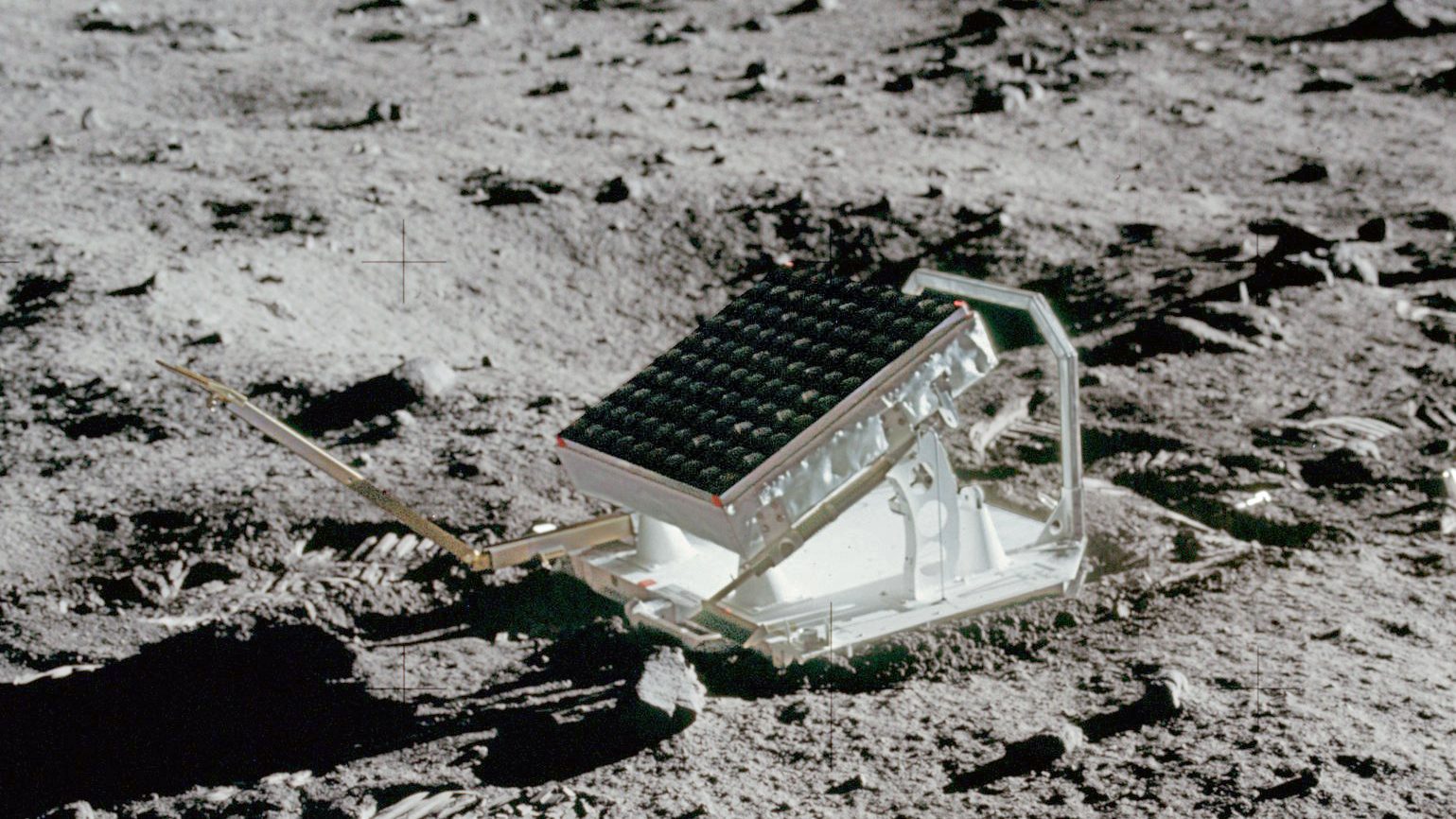
Tip: wil je weten op welke afstand de Maan vandaag van de Aarde zit, neem dan een kijkje op de websites Time & Date of Kalender 365. Op 5 november 2025 bevond de Maan, voor het jaar 2025, zich op het dichtste punt (het zogeheten perigeum): 356.833 km. Op 20 november 2025 stond ze, voor het jaar 2025, op haar verste punt (het zogeheten apogeum): 406.691 km. Wanneer de Maan heel dicht bij de Aarde komt noemt men dit een Supermaan. Niks speciaals eigenlijk, ware het niet dat op dat moment de schijnbare diameter van de Maan nét ietskes groter zal zijn. Maar ook niet meer dan dat. In normale omstandigheden kun je met het blote oog eigenlijk niet dat verschil in grootte opmerken. In de pers wordt dit totaal overroepen. Maar ja, men wil nu eenmaal sensatie!
Welke soorten van zonsverduisteringen bestaan er ?
Er bestaan diverse soorten van zonsverduisteringen, te weten: de totale zonsverduistering en de gedeeltelijke zonsverduistering. Een ringvormige zonsverduistering is dan nog weer een geval apart. Elk vraagt zijn aparte benadering. Terloops even gezegd: internationaal worden totale zonsverduisteringen afgekort met het letterwoord “TSE“. Dit staat voor “Total Solar Eclipse“.
Hoe ontstaat een totale zonsverduistering ?
De Maan cirkelt niet altijd voor de volle 100% op dezelfde afstand van de Aarde. De baan rond de Aarde is zelfs een beetje elliptisch. De werkelijke afstand tot de Aarde zal dus niet steeds 400.000 km zijn: soms is dat wat meer, soms is dat wat minder. Dat betekent dus dat het maanschijfje soms wat groter, soms wat kleiner is.
Om een totale zonsverduistering te hebben moeten op het moment dat de Aarde, Maan en Zon op één lijn komen te staan de Maan precies de grootte van het zonneschijfje hebben. Dan bedekt de maan precies het volledige zonneschijfje. Eigenlijk mogen we spreken van een sterbedekking: de Zon is immers een ster, onze Dagster.
Doordat de volledige zonneschijf perfect bedekt is, kunnen we goed de zonneatmosfeer zien: dat is het gedeelte van de Zon dat net boven haar zichtbare oppervlak (de zogeheten fotosfeer ligt). In die zonneatmosfeer kunnen we soms (zeg maar meestal) één of meerdere zonneuitbarstingen zien (dit noemen we protuberansen – de roze-rode uitstulpingen aan de zonnerand in onderstaande foto). Het gedeelte dat boven de fotosfeer ligt noemen we de corona van de zon. Als je scherpe opnames hebt gemaakt dan zul je in die corona streepvormige structuren (uitlopers) zien. We noemen deze streamers.
Dé sport is nu om zo scherp mogelijke deze fijne structuren (protuberansen én streamers) vast te leggen. Weet dat deze streamers tot ver buiten het zonneoppervlak kunnen doorlopen. Bij kort belichte opnames zul je de binnenste structuren zien van de zonneatmosfeer (met zijn protuberansen dus). Bij langer belichte opnames zullen deze protuberansen overbelicht raken, maar zal je de buitenste streamers in de corona van de Zon zien: je fotografeert dan vooral de buitencorona.
Voorbeeld van een kort belichte opname: 1/500 seconde belicht
Dit is een uitsnede uit een grotere foto.

USA, 8 april 2024
Canon EOS R5 met RF100-500mm F4.5-7.1 L IS USM + EXTENDER RF2x
(bij 1000 mm, f/14, ISO-400, 1/500 seconde belicht)
Voorbeeld van een langer belichte opname: 1/30 seconde belicht (16 x langer dan bovenstaande opname)
Foto bewerkt om zoveel mogelijk van de binnencorona zichtbaar te maken.

USA, 8 april 2024
Canon EOS R5 met RF100-500mm F4.5-7.1 L IS USM + EXTENDER RF2x
(bij 1000 mm, f/14, ISO-800, 1/30 seconde belicht)
Voorbeeld van een langer belichte opname: ook 1/30 seconde belicht
Foto bewerkt om zoveel mogelijk van de buitencorona zichtbaar te maken. Hierbij is de binnencorona dan wat overbelicht, maar zie je mooi de uitgestrekte streamers. Streamers kun je zeker hebben tot op één zonnediameter buiten de zonneschijf. De kleurendetails die je in het Maanoppervlak ziet zijn veroorzaakt doordat de hemel niet volledig transparant was: we hadden er wat last van lichte, hoge bewolking. Het zijn dus geen oppervlaktedetails van de Maan die je ziet. 😉

USA, 8 april 2024
Canon EOS R5 met RF100-500mm F4.5-7.1 L IS USM + EXTENDER RF2x
(bij 1000 mm, f/14, ISO-800, 1/30 seconde belicht)
Hoe ontstaat een ringvormige zonsverduistering ?
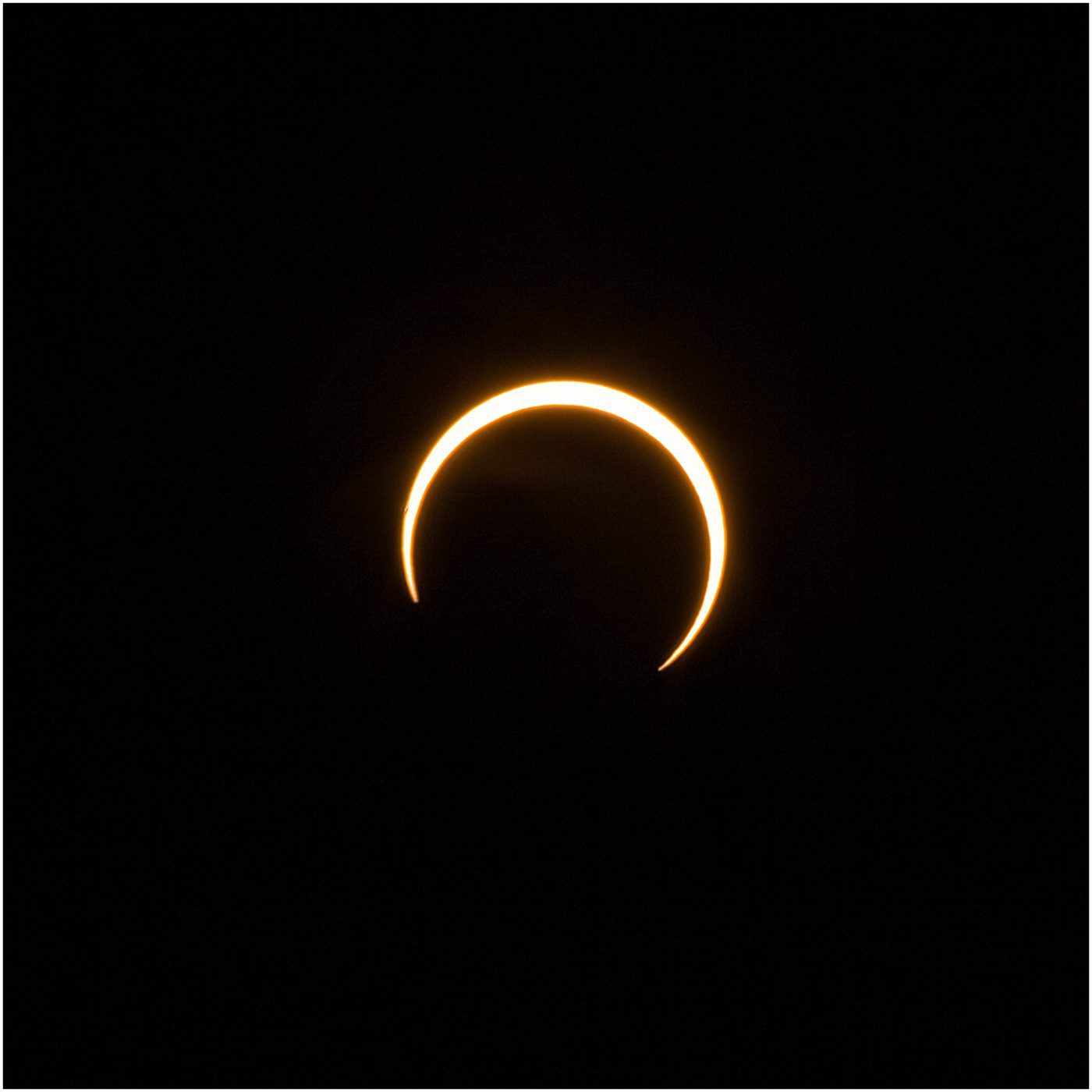
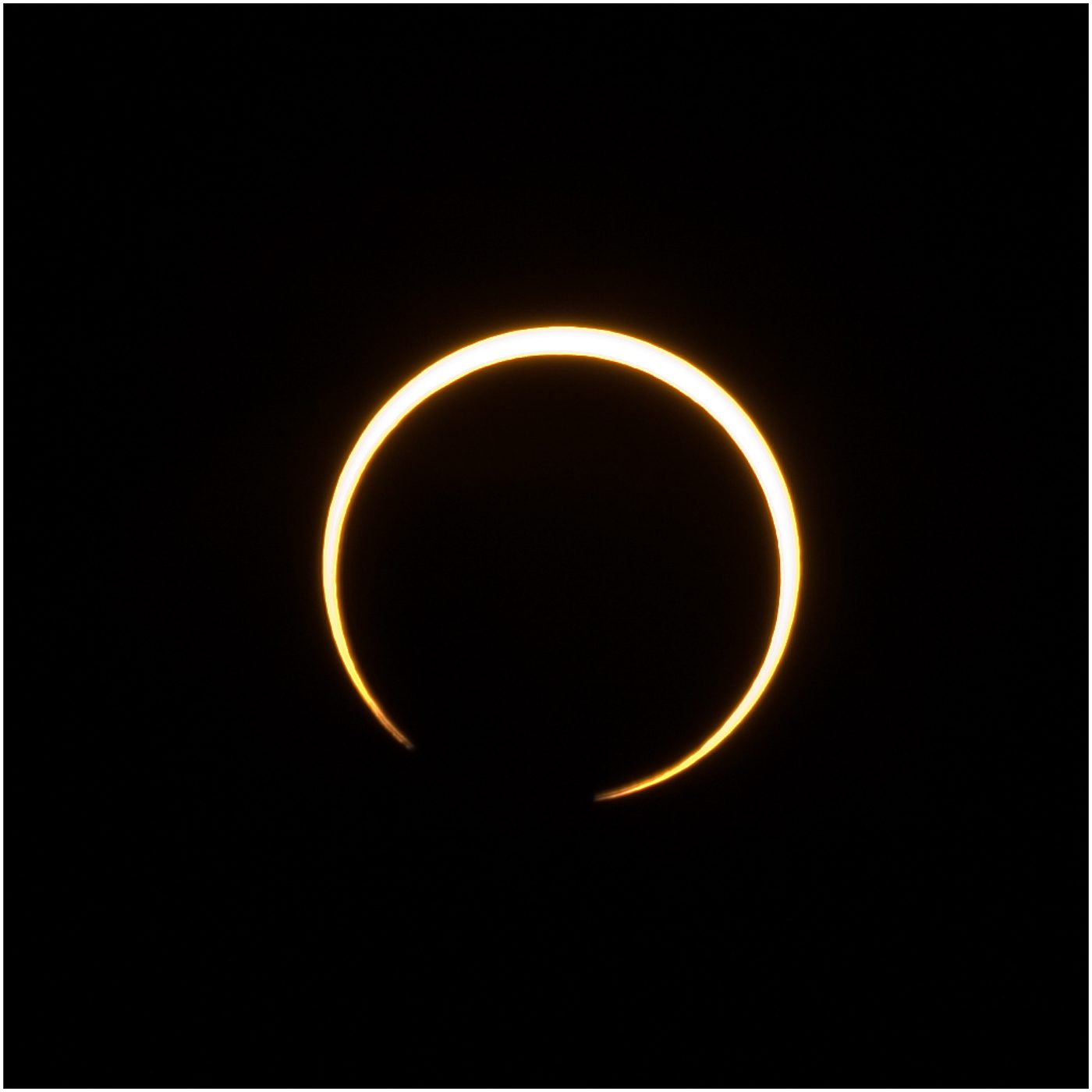
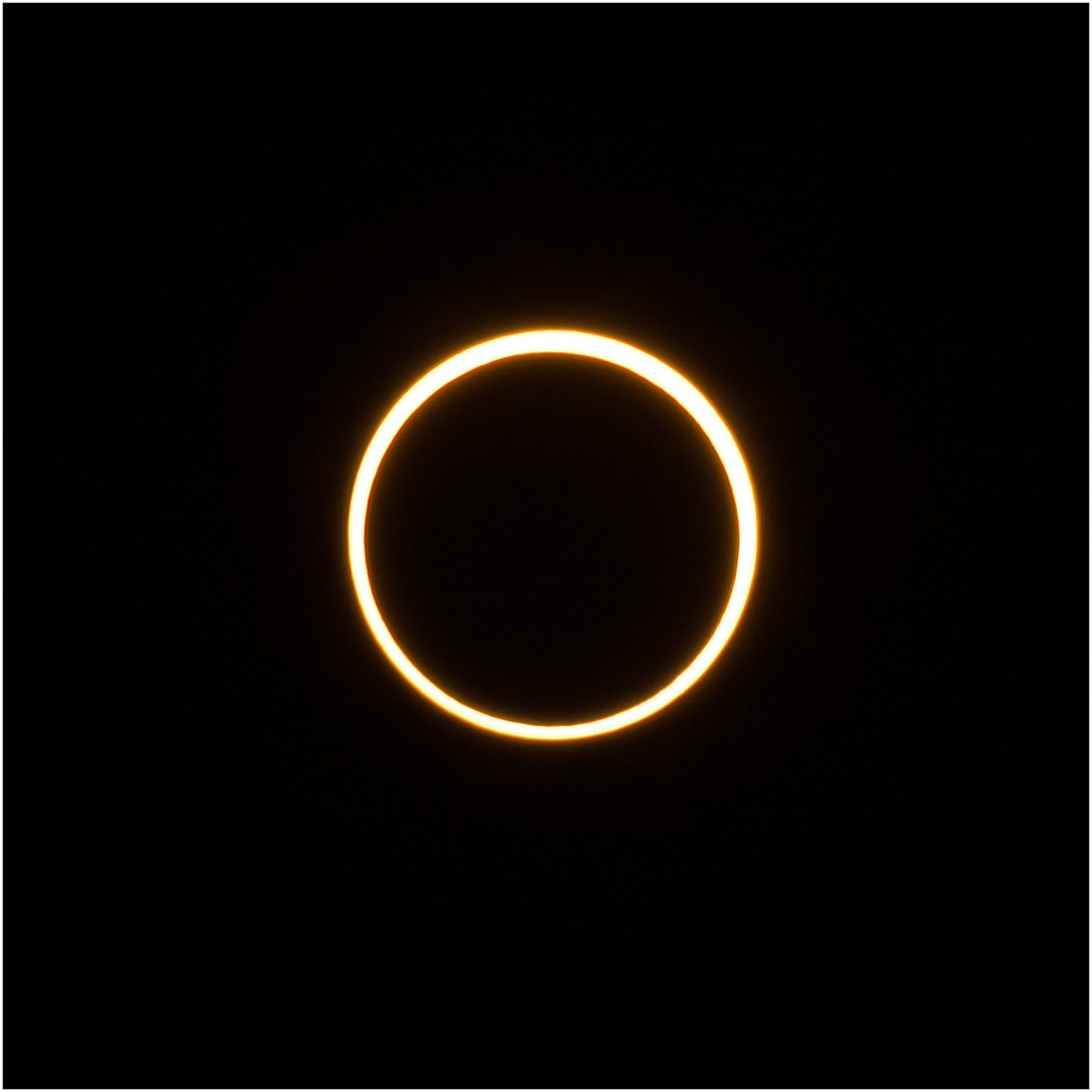
Een ringvormige zonsverduistering ontstaat wanneer Aarde, Maan en Zon op één lijn staat, maar de Maan net wat verderaf van de Aarde staat dan bij een totale zonsverduistering. Veder af van de Aarde betekent dat de Maan wat kleiner zal tonen aan de hemel en daardoor niet perfect meer de volledige zonneschijf kan bedekken: je zult rond de zwarte Maan nog een ring van zonlicht zien.
Er zijn maar weinig amateur sterrenkundigen die zich zullen verplaatsen om dergelijk verschijnsel te gaan vast leggen. Hoe dit komt? Heel eenvoudig: bij een ringvormige zonsverduistering krijg je geen zonneatmosfeer (corona) te zien. Dus: geen streamers, geen protuberansen, enz. : deze worden immers overstraald door het zonlicht dat nog door de ring door komt.
Merk op: Een ringvormige zonsverduistering wordt dus steeds mét een aangepast zonnefilter gefotografeerd, een totale zonsverduistering zonder zonnefilter.
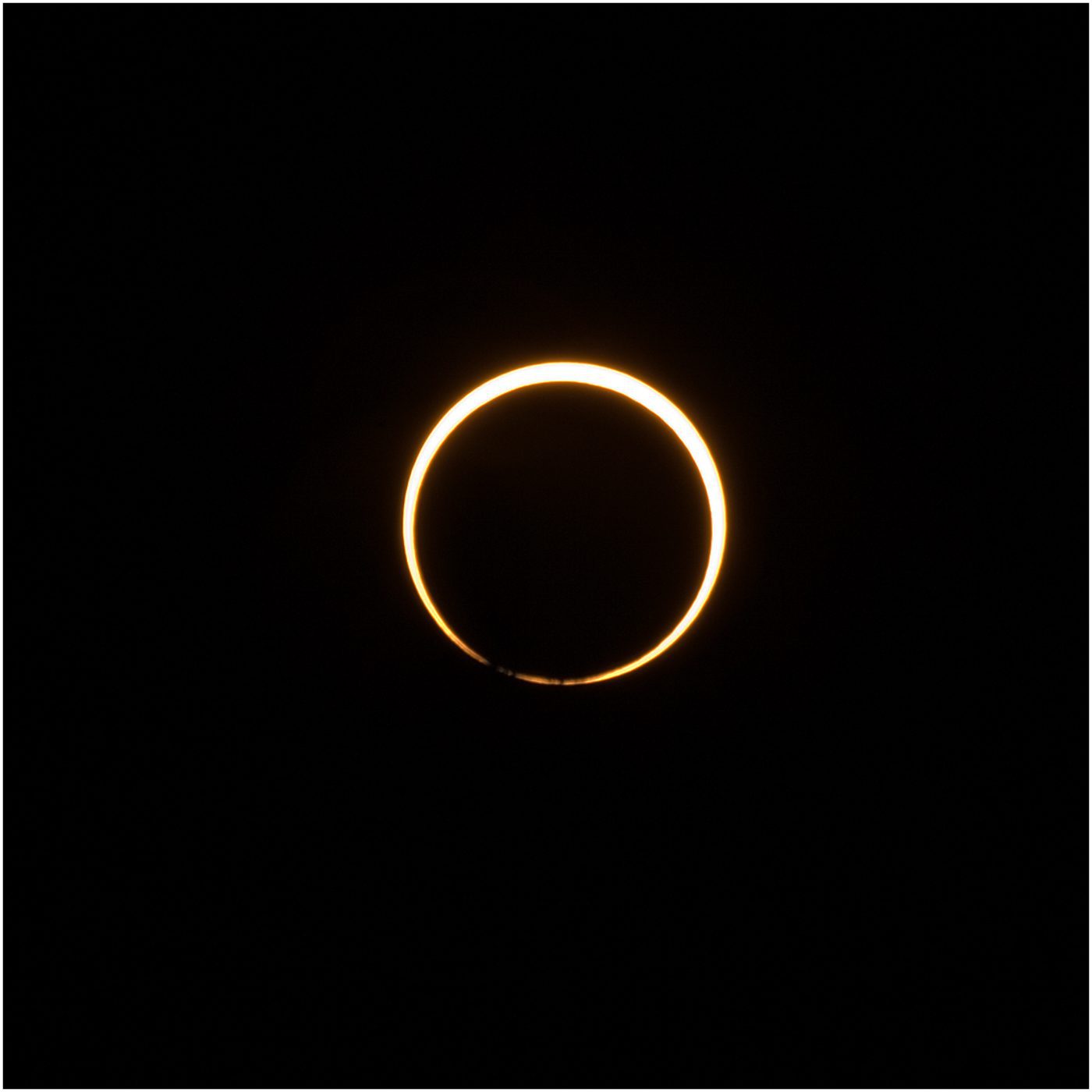
Madrid, 3 oktober 2005 om 8h 59m UT
Komen zonsverduisteringen frequent voor?
Ieder jaar komen gemiddeld wel een tweetal zonsverduisteringen voor. Ze zijn daarom wel niet altijd even gunstig. Het kan een ringvormige zijn in plaats van een totale. Het is ook mogelijk dat ze enkel te zien is over zee. Om maar twee voorbeelden te geven.
In ieder geval: zonsverduisteringen kunnen al jaren op voorhand worden voorspeld. Fred Espenak zaliger, van de NASA, genereerde eens een overzicht van alle zonsverduisteringen voor zo’n 5.000 jaar. Jawel, 5 millennia. Je vindt hem op deze NASA website terug: “Five Millennium Catalog of Solar Eclipses“.
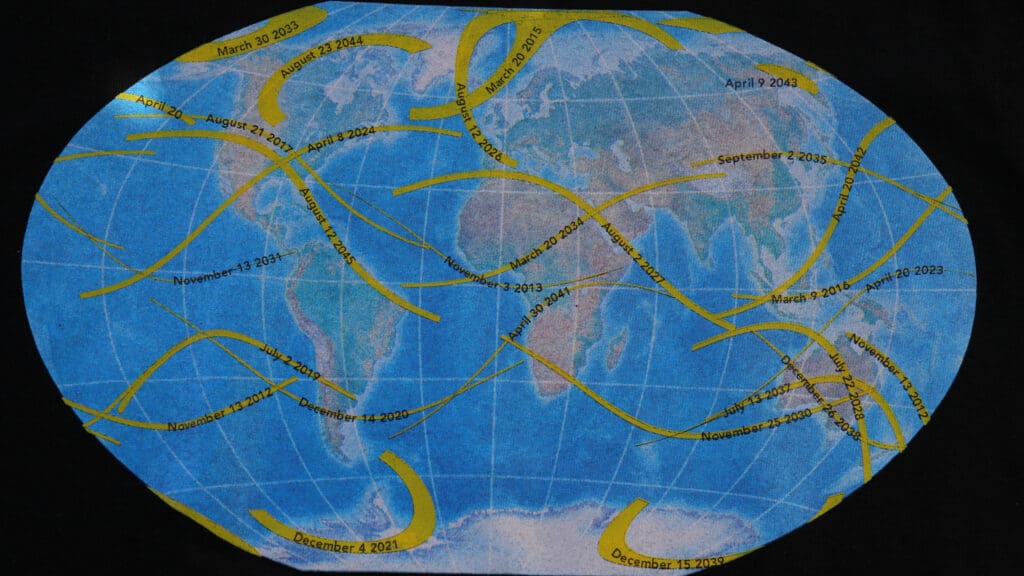
Voorspellingen worden soms getoond op één en dezelfde wereldkaart. Hieronder zie je een wereldkaart met voorspelde zonsverduisteringen voor de periode 2012-2045. Je zal opmerken dat bepaalde zonsverduisteringen na 18 jaar in gelijkaardige omstandigheden plaats vinden (zij het wel wat verschoven ten opzichte van het Aardoppervlak). Er bestaat inderdaad zoiets als reeksen van zonsverduisteringen. We noemen deze 18-jarige cyclus een saros-reeks. Voorbeeld op deze kaart: de zonsverduistering van 2 augustus 2027 behoort tot dezelfde reeks als deze van 12 augustus 2045.
Wanneer is er nog eens een (totale) zonsverduistering in België ?
De eerstvolgende totale zonsverduistering zal in België plaats vinden op 23 september 2090 ? Nog even geduld uitoefenen: slechts nog 65 jaar wachten!
De eerstvolgende eclips die we in België kunnen meemaken is er echter al op 12 augustus 2026, maar dat is slechts een gedeeltelijke zonsverduistering — geen totale dus. Het is deze eclips die velen, waaronder wijzelf, gaan meemaken in Spanje. Sommigen zullen hiervoor naar IJsland trekken. Je ziet de totaliteitszone getoond op de wereldkaart hierboven.
Bestaat er een alternatief om de zonneatmosfeer te fotograferen ?
Jazeker. Sterrenkundigen wachten niet op een totale zonsverduistering om de corona van de Zon (zeg maar de zonneatmosfeer waar te nemen). Daarvoor zijn er écht te weinig natuurlijke totale zonsverduisteringen. Zij gebruiken hiervoor een speciale telescoop waarbij ze de Zon door middel van een kegeltje afschermen. Dit kegeltje houdt het zonlicht tegen en is dus het surrogaat voor de Maan tijdens een echte zonsverduistering. Een dergelijk instrument noemen we een coronagraaf.
Wil je de zonneatmosfeer fotograferen wanneer er geen totale zonsverduistering is, ga dan even een kijkje nemen bij Project- en Volkssterrenwacht AstroLAB IRIS (Ieper, België) of bij een van de 5 overige volkssterrenwachten van Vlaanderen.
Waar koop ik een veilig zonnefilter of eclipsbrilletje?
Eén van dé referenties op het gebied van zonnefilters is de firma Baader Planetarium in Duitsland. Deze filters kun je onder andere kopen bij de AstroShop hier in België. Voorbeelden van reeds op voorhand gesneden en gemonteerd zonnefilters van Baader vind je hier. Zo’n filterpapier kun je ook per rol kopen maar dan moet je het zelf nog op maat snijden en op je telescoop op lens vastmaken. Hierbij moet je steeds oppassen dat het filter zodanig goed is vastgemaakt dat het er niet van af kan waaien tijdens de waarnemingssessie! Opkomende wind of een passant kunnen roet in het eten gooien.
Zoek je gewone eclipsbrilletjes, die je kunt opzetten tijdens de partiële fase van een zonsverduistering, dan kun je die ook vinden bij de astroshop.be . Zo’n eclipsbrilletjes kun je ook bekomen bij een van de 6 Vlaamse Volkssterrenwachten.
Hoe plan ik mijn volgende totale zonsverduistering?
Het is belangrijk je op verschillende manieren goed te organiseren:
1) strategisch (keuze van zonsverduistering, plaats op de Aarde: bereikbaarheid, toegankelijkheid, klimatologische omstandigheden, geologische stabiliteit, politieke stabiliteit, gezondheidsrisico’s, …)
2) tactisch (ter plaatse: controle van de weerberichten, prospectie van de waarnemingslocatie, inspectie van de meegenomen apparatuur, …)
Strategische overwegingen
Om een geslaagde expeditie te organiseren dien je je vooraf goed te informeren. Een totale zonsverduistering is slechts in een bepaalde strook van de Aarde zichtbaar. En dat op een welbepaald moment. Deze bedekkingsstrook kan makkelijk bijvoorbeeld 200 kilometer breed zijn en duizenden kilometers lang. Er zal dus moeten worden beslist WAAR precies binnen deze bedekkingsstrook je zal willen gaan waarnemen. In het midden van de strook (binnen die 200 kilometer zeg maar) zul je de langste bedekkingsduur hebben voor die bepaalde totale zonsverduistering: op die zogeheten centrale lijn zal de Maan precies op één lijn staan met de Zon. Daardoor zal die daar het langst de Zon bedekken. Ga je van die centrale lijn af, dan zal je steeds een kortere duur van totaliteit bekomen. Ga je net buiten de bedekkingsstrook dan zul je enkel nog een gedeeltelijke zonsverduistering hebben. Iedere amateur astronoom zal proberen OP die centrale lijn te gaan staan, uiteraard, wat had je gedacht?
Tweede vraag die zich stelt is dan: waar ergens op de wereldbol zul je dan op die centrale lijn gaan staan ? Want zoals gezegd: die centrale lijn kan ettelijke duizenden kilometers lang zijn. Welnu, op één welbepaalde plaats zal voor die bepaalde totale zonsverduistering de bedekkingsduur het langst zijn. Waar is die plaats dan ? Welnu, dat wordt op voorhand allemaal door professionele astronomen berekend. Voor iedere totale zonsverduistering geeft de NASA een speciaal boek, de zogeheten “NASA Eclipse Bulletins”, uit met alle nodige gegevens, kaarten, tijdstippen, enzovoort. Vroeger werd dit gedaan door de populaire Fred Espenak. Die overleed echter onlangs op 1 juni 2025. Voortaan moeten we het doen met andere informatiebronnen zoals bijvoorbeeld de website EclipsWise. Daar kun je gaan kijken wanneer de volgende totale zonsverduistering er zit aan te komen. Momenteel organiseert de astronomische wereld zich om de eclips van 2026 te gaan waarnemen. Die zal plaats vinden op 12 augustus 2026.
Laten we eventjes de voorspellingen voor deze eclips er bij nemen:
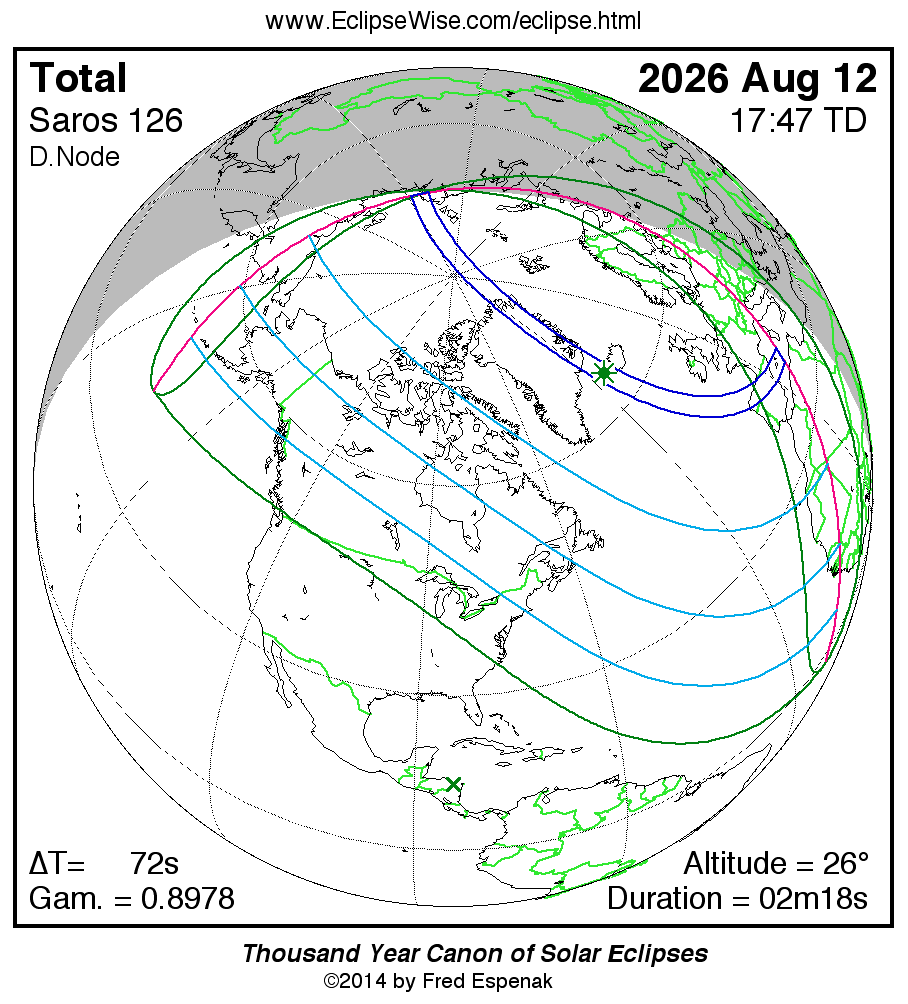
Op wat moet je nu letten wanneer je naar zo’n wereldkaart met voorspellingen kijkt? Voor nu is het enkel belangrijk om te kijken waar de donkerblauwe strook loopt. Het zal voor iedereen duidelijk zijn dat je een zonsverduistering enkel zal kunnen zien als de Zon al op is en ook wanneer dat die nog niet is gaan slapen. Deze twee zaken bepalen het begin en het einde van de waarnemingsstrook. Je kan op de kaart aflezen dat de donkerblauwe strook loopt vanaf ergens aan de Noordpool, al over Groenland en Ijsland om uiteindelijk het Europese vasteland te bereiken in Spanje. In principe weet je dus al zeker dat wanneer je binnen die strook zal gaan staan je zeker de totale zonsverduistering zal kunnen zien.
Vervolgens ga je gaan kijken waar er een ster staat aangeduid binnen die donkerblauwe strook: in dit geval staat de groene ster pal boven Ijsland. Welnu, het is daar, op de centrale lijn, dat de zonsverduistering het langst zal duren. In principe zouden alle amateur-astronomen dus naar daar willen trekken. Wet dat de totaliteitsduur kan lopen van enkele seconden tot maximaal zo’n 11 minuten. Er kan worden berekend dat een totale zonsverduistering deze limiet nooit kan overschrijden. Echter, het is zer uitzonderlijk dat deze limiet wordt bereikt. Typisch duurt een totale zonsverduistering maar enkele minuten. Nogal wiedes dat we deze duur willen maximaliseren. En dat doe je door de keuze van een plaats dicht bij die ster.
Waarom gaan nu niet alle amateur astronomen naar die plaats met een ster aangeduid? Heel simpel: dat heeft in eerste instantie te maken met de lokale klimatologische omstandigheden. Wat heeft het voor nu om naar een plaats te gaan waar de totaliteitsduur dan wel het langst is (en je dus maximaal foto’s zal kunnen nemen) maar waar je weinig kans hebt om hem te zien doordat het bewolkt is? Daar heb je het al: dé spelbreker binnen de totaliteitsstrook zijn de lokale klimatologische omstandigheden.
Samengevat: het komt er dus in eerste instantie op neer om een plaats te vinden én waar je nog een behoorlijk aantal minuten totaliteitsduur hebt én, heel belangrijk, ook een zo groot mogelijke kans op mooi weer. En dat is nu net dé reden waarom voor de totale zonsverduistering van 12 augustus 2026 niet IJsland als topbestemming wordt uitgekozen door vele amateur sterrenkundigen, maar wel Spanje.
Op dit moment weet je dus al waar grosso modo je zal gaan waarnemen: je hebt een plaats binnen de totaliteitsgordel gekozen, dicht bij het maximale punt, op de centrale lijn en met een redelijke kans op goed weer. Wat bepaalt er dan nog de keuze van locatie? Volgende elementen kunnen ook nog een rol spelen bij het vastleggen van een waarnemingsplaats:
- de bereikbaarheid: soms staat de “ster” (die de locatie aangeeft waar de totaliteit maximaal zal zijn) pal boven een of andere zee. ‘t ja, dat is niet zo bereikbaar.
- Weet wel dat er sommige tour operators zijn die soms eclipsreizen organiseren per schip naar dergelijke locaties. Een schip kan behoorlijk stabiel zijn en je kunt er ook van fotograferen.
- de toegankelijkheid: soms is een bepaald gebied op de Aarde wel in principe goed, maar zijn er geen wegen, liggen hoge bergketens in de weg, en noem maar op. Zo’n locaties vallen ook al af.
- de grootte van de waarnemingsgroep: ga je met een grotere groep op pad dan zal er toch een minimum aan toeristische infrastructuur moeten voorhanden zijn. Ben je in een kleinere groep dan kun je al snel(ler) een oplossing uitwerken op basis van tenten bijvoorbeeld. Is de groep groter en zijn er wat minder mobielere mensen mee, dan zullen hotels mogelijk beter aangewezen zijn.
- Zelf reisde ik al met groepjes van 2 mensen tot grotere groepen van 55 mensen. Dat is natuurlijk een wereld van verschil. Voor de ene reis moet je bijna niks voorbereiden, qua accommodatie dan bedoel ik, maar als je met meer dan 50 mensen op stap gaat lukt dat niet meer. Dan moet alles al maandenlang op voorhand vastliggen. Toen we met een 25-tal mensen in Bolivië gingen gaan waarnemen (in Rio Mulatos) hebben we een heuse expeditie mogen opzetten: er was totaal geen toeristische infrastructuur, geen eten, geen vervoer, … . Daar zou je dan staan midden op de hoogvlakte tussen twee ketens van het Andesgebergte. Daarom hadden we alles opgezet vanuit de hoofdstad La Paz en alles van daar uit meegenomen: tenten, jeeps, koks, gidsen, chauffeurs, eten, enzovoort. In Rio Mulatos hebben we dan heel eenvoudig overnacht in een lokaal schooltje. Het is dus allemaal een kwestie van op tijd goed alle te organiseren. Onderschat deze taak niet. Ook in Mongolië hebben we alles meegenomen vanuit de hoofdstad. Soms is het best er van uit te gaan dat er niks zal zijn. Is het er dan toch wel, des te beter. Altijd uitgaan van het slechtst mogelijke scenario: dat is de boodschap die ik kan/moet en wil brengen.
- de geologische toestand: kan ook een rol spelen: liefst ga je toch niet gaan waarnemen bij een of andere vulkaan, een aardbevingsgevoelig gebied, enzovoort.
- de politieke toestand: je gaat best naar een land waar er toch enige stabiliteit is, waar mensen niet zomaar worden ontvoerd (door de overheid [cfr. Iran], of door rebellen). Zo kan ik een anekdote vertellen waar we in Venezuela werden uitgenodigd door een lokaal iemand. Hij was bewapend omdat we dicht bij de grens van Columbia waren. Toen was bekend dat daar buitenlanders werden ontvoerd om losgeld te eisen. Nochtans was Venezuela op papier een goede bestemming. Het kan verkeren…
- de gezondheidsrisico’s: sommige streken zijn gekend voor welbepaalde problematieken: zo komen er in bepaalde streken bepaalde virussen voor (denk aan malaria bijvoorbeeld, of aan COVID 😉 ), kan het drinkwater besmet zijn, worden dieren in erbarmelijke omstandigheden gekweekt en/of geslacht, enzovoort. Hou met deze risico’s rekening! Er zijn diverse maatregelen die je kunt nemen:
- Informeer je goed op voorhand!
- Drink enkel water uit flessen die industrieel werden gevuld, of frisdranken.
- Eet je lokaal vlees: liever kip dan rood vlees, altijd goed laten doorbakken
- Laat U op tijd en inenten. Voor sommige gebieden heb je zelfs een internationale vaccinatiekaart nodig.
- Als er seksuele contacten plaatsvinden: condooms!
- de toeristische opportuniteiten: wanneer je een locatie kiest, en je hebt keuze tussen een aantal gelijkwaardige locaties qua totaliteitsduur, weersverwachtingen, enz. dan kan ook de opportuniteit van een bepaald gebied te bezoeken een rol spelen. Stel dat je kunt kiezen tussen Mongolië en China, en je bent nog nooit naar Mongolië geweest, dan kan ook dat de uiteindelijke keuze van waarnemingslocatie beïnvloeden.
Ben je niet zeker of een bepaalde plaats wel écht 100% geschikt is (omdat je je bijvoorbeeld niet meer op tijd kan inenten, omdat je niet alles meer kan georganiseerd krijgen zoals het zou moeten, …) kies dan voor een andere locatie. Neem niet onnodig risico’s! Toch niet voor enkele foto’s van een totale zonsverduistering…
Tactische punten
Stel dat je uiteindelijk een locatie had gekozen en je bent eindelijk ter plaatse. Dan nog zul je een aantal zaken zeker best doen. Je koos immers de waarnemingsplaats op basis van klimatologische waarnemingen: is er normaal gezien voor die periode van het jaar niet teveel bewolking. Eenmaal ter plaatse zul je de échte weersvoorspellingen voor dé waarnemingsdag moeten in het oog houden en er ook naar handelen.

Het is aan te raden om enkele dagen op voorhand (toch minstens 24 en liefst zelfs meer dan 48 uur) al in een soort van basiskamp te zitten. Op die locatie kun je al het technische materiaal nog eens nazien, eventueel kennismaken met lokale mensen of organisaties, enzovoort. Je zorgt dat je over goede lokale kaarten beschikt: internet is nog altijd niet overal en/of altijd beschikbaar. Met een oplossing als StarLink heb je natuurlijk al wel meer speelruimte.
Bij de bepaling van de uiteindelijke waarnemingsplaats zul je meestal proberen om een plaats te vinden die in de buurt van de centrale lijn ligt. Best ook een plaats die je bijvoorbeeld met de wagen vlot kan bereiken maar ook waar je, very last minute, nog kan uitwijken naar andere locaties mocht dat nodig zijn (bij onverwacht opkomende bewolking bijvoorbeeld). Het is dan een voordeel als je over een lokaal wegennet beschikt die je deze uitwijkingsmogelijkheden effectief geeft. Zorg er voor dat je lokaal mobiel bent. Verleden jaar hebben we in de USA meer dan 6 uur gereden vooraleer we onze uiteindelijke waarnemingsplaats hebben gevonden. Waren we niet mobiel geweest, dan hadden we de totale zonsverduistering gewoon niet gezien.
Met welke lens fotografeer ik de zonsverduistering?
‘t ja, dit hangt natuurlijk af van wat je wilt fotograferen: wil je een sfeerfoto van het donkere landschap al dan niet met joelende mensen er op, ga dan voor een breedhoeklens. Is het je echt om details in de corona vast te leggen, dan zal je al snel bij de langere telelens uitkomen. Zelf zou ik zo zeggen: minstens een 400 mm. Wil je nog meer detail en beeldvullend werken, gebruik dan eventueel zelfs een verdubbelaar om alzo aan 800 à 1000 mm te geraken qua brandpuntsafstand. Hieronder geef ik een aantal voorbeelden van foto’s met de Zon op en dit bij diverse brandpuntsafstanden: 16 mm, 400 mm, 1000 mm. Dit zijn allemaal de volledige foto’s (full frame dus), geen uitsneden. Op deze manier kun je goed inschatten hoe groot het zonnebeeldje eigenlijk is ten opzichte van je sensor (bij mij dus telkenmale 36 op 24 mm). Ze scheppen reële verwachtingen, geen “wishfull thinking”.
Diegenen die echt de grootste resoluties willen halen zullen een grotere, maar toch nog compacte telescoop meenemen (met volgmontering). Je moet nu eenmaal een grotere lens hebben om aan meer scheidend vermogen te geraken. Merk op dat we hier niet spreken van een lens met een langere brandpuntsafstand. Het is de doormeter van de lens dat bepalend is voor het scheidend vermogen, niet de brandpuntsafstand. Niet vergeten dat een cameralens eigenlijk ook een kleine telescoop is. Maar in dit geval bedoelen we wel refractors met een lensdiameter van 80 of 100 mm minimum. Daarmee kun je nog fijnere details in de corona vastleggen.
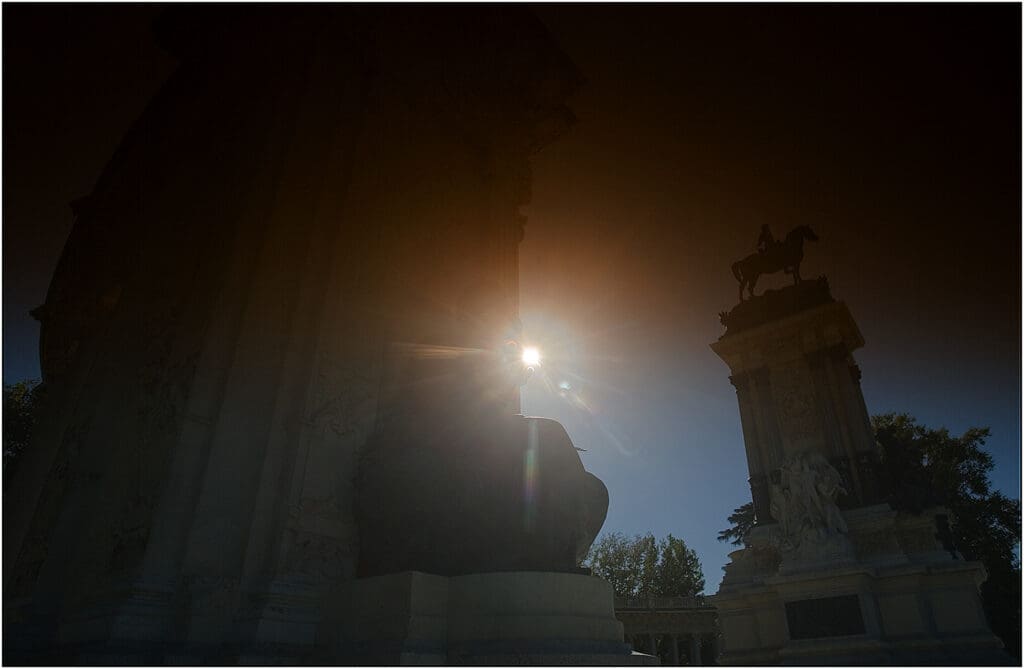
Canon EOS-1D Mark II met 16-35 mm lens @ 16 mm, f/3.2, 1/40 s, ISO-100
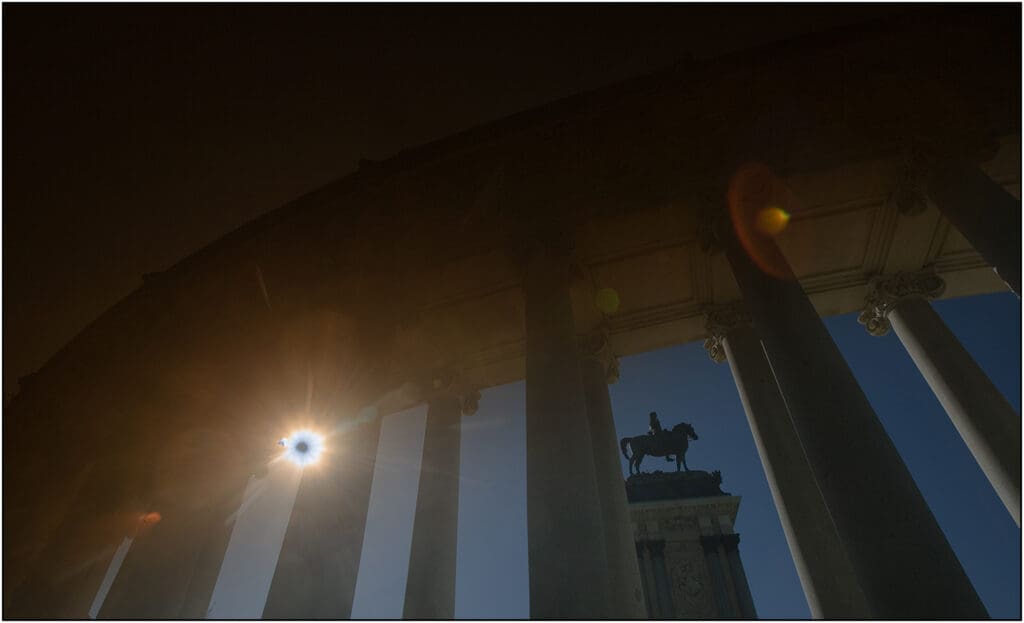
Canon EOS-1D Mark II met 16-35 mm lens @ 16 mm, f/6.3, 1/160 s, ISO-100
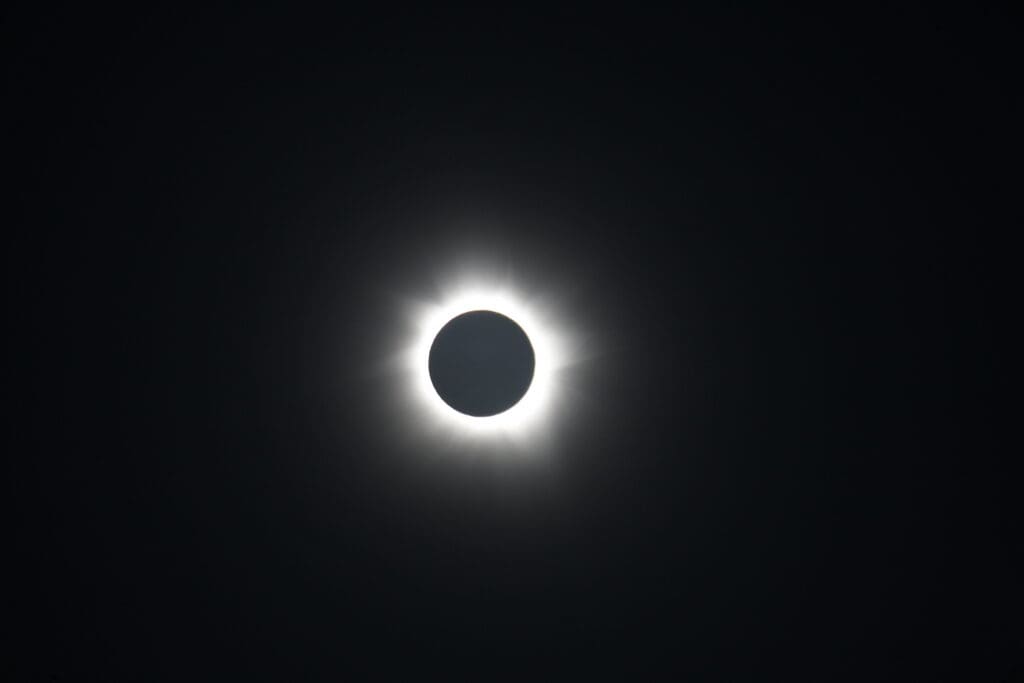
Canon EOS-1Ds Mark III met EF 100-400 L IS @ 400 mm, f/5.6, 1/50s, ISO-800

Canon EOS R5 met RF100-500mm F4.5-7.1 L IS USM + EXTENDER RF2x @ 1000mm, f/14, 1/15s, ISO-800
Hoe organiseer mij fotografisch gezien?
Eenmaal ter plaatse begin je alles op te stellen.
Tip: tijdens de totaliteit zal het bijzonder donker worden. Vele mensen mispakken zich hieraan. Wanneer je tijdens de totaliteit nog eits moet aanpassen aan je opstelling kan het nodig zijn over een zwak LED-lampje te beschikken. Eventueel zorg je voor een LED koplampje: die blijft op je hoofd zodanig dat je die altijd bij de hand hebt. Zet hem niet te hard zodanig dat je andere waarnemers niet stoort. Enkel bij noodgevallen zet je hem aan.
Je zal al minimaal je statief moeten opzetten.
Op een stabiele grond (pas op met zand of sneeuw want die zijn veelal niet 100% stabiel).
Tip: kies ook een locatie waar er niemand plots voor je kan staan of té dicht bij jou. Het zou niet de eerste keer zijn dat tijdens een zonsverduistering iemand nonchalant tegen je opstelling aan loopt. En dan is alles voor niks geweest natuurlijk! Best wat zorgen voor wat afzondering rondom je waarnemingsplek en zeker al in de richting voor jou.
Om de partiële fase te fotograferen: begin met EERST het zonnefilter op je lens te zetten en dan te richten naar de Zon. Niet andersom! Dus niet eerst je lens al richten zonder filter want dan kan je al snel een oververhitte of definitief beschadigde sensor hebben.
Installeer nu je camera en lens op het statief.
Stel de camera scherp op oneindig.
Pas hier mee op want het feit dat je bijvoorbeeld een bijkomend filter hebt geïnstalleerd of hem net weghaalt kan er voor zorgen dat het scherpstelpunt wat verschuift. Ga er niet zomaar van uit dat éénmaal scherpgestel dit zal OK zijn voor de hele waarnemingssessie. Een totale zonsverduistering duurt met inbegrip van de partiële fases al snel een uur of 2. Gedurende die tijd kan je materiaal ook opwarmen. Ook oppassen met zoomlenzen: het is mogelijk dat in- of uitzoomen zorgt dat het scherpstelpunt verloopt! Controleer dus zeker meerdere keren het scherpstelpunt. Niks ergers dan op de juiste plaats op het juiste moment aanwezig te zijn maar dan toch met net onscherpe opnames naar huis gaan.
Het fotograferen van de partiële fase, mét filter dus, is eigenlijk eenvoudig. Zorg dat je afdrukt zonder op de camera te moeten drukken. Anders heb je het gevaar dat je camera/lens nog aan het uit trillen is terwijl de opname gebeurt. Ofwel moet je gebruik maken:
– van het uitstelmechanisme (sommige camera’s hebben hiervoor een instelling waarmee je 2 of 10 seconden uitgesteld kunt fotograferen, genoeg dus om uit getrild te zijn wanneer de elektronische of mechanische sluiter open en dicht gaat)
– ofwel maak je gebruik van een mechanische of elektronische afstandsbediening.
Sommige spiegelreflexcamera’s geven je ook nog de mogelijkheid om de spiegel al voortijdig op te klappen. Kijk dat even na in de gebruikershandleiding van je camera.
Wanneer het grote moment is aangebroken zal het eerste wat je zal moeten doen zijn: kalm blijven, het hoofd koel houden. Sommige mensen beginnen raar te doen eenmaal de totaliteitsfase is aangebroken. Het is heel donker geworden, mensen beginnen spontaan te roepen of worden net stil, anderen worden gewoon overweldigd door het fenomeen. Je weet dat je maar hooguit enkele minuten hebt, panikeer niet en alles zal goed komen. Blijf dus kalm en werk je vooraf opgestelde fotografieschema rigoreus af.
Hoe zo’n fotografieschema er uit ziet?
1) controleer je beeldsetting (staat de zon nog mooi centraal?)
2) hercontroleer nog een laatste keer de scherpstelling
3) fotografeer bij verschillende sluitersnelheden – welke snelheid je ook zal kiezen, er zal altijd iets op staan:
– bij lagere snelheden: de binnencorona en protuberansen
– bij middelmatige snelheden: binnendelen van de buitenste corona
– bij langere sluitertijden: buitendelen van de corona.
Een goed schema kan er dus uit bestaan om bij met manuele instelling te werken en de volledige rij van mogelijkheden qua sluitersnelheden af te lopen: begin bijv. bij 1/1.000, dan 1/500, 1/250, enzovoort tot wanneer je enkele seconden belicht hebt.
Tip: wanneer je naar sluitersnelheden gaat in de orde van grootte van één seconde tot enkele seconden, weet dan dat – indien je de scherpste, detailrijkste foto’s wil maken, je camera/lens-combinatie zal moeten zijn geïnstalleerd op een zogeheten volgmontering. Een volgmontering is een statief met een gemotoriseerde kop die aan een zodanige snelheid werkt dat het mooi de schijnbare beweging van de Zon aan de hemel volgt. Bij lagere sluitersnelheden is zo’n volgmontering niet nodig. Er bestaan lichte(re) volgmonteringen speciaal om mee te nemen in je reisbagage. Een reismontering dus.
Welke momenten zijn belangrijk om te fotograferen?
Tijdens een totale zonsverduistering zijn er bepaalde momenten die je als fotograaf wil vastleggen. Dat is net “dé sport” van velen onder hen:
– de uren vooraleer het fenomeen écht begint kun je gebruik maken om de fotosfeer te fotograferen. Het is een goed moment om alles nog eens goed uit te testen: stabiliteit van de opstelling, scherpstelling, enzovoort. Vergeet hierbij niet om een goed zonnefilter te gebruiken! Normaal gezien zul je minstens één zonnevlek wel te zien krijgen.
– het moment wanneer je voor het eerst de Maan een hapje uit de Zon ziet nemen (partiële fase begint dus)

– het moment dat de Zon nog net één lichtstraaltje doorlaat aan de rand van de Maan: doordat het Maanoppervlak niet effen is (er zijn bergen en kraters) is het mogelijk dat je diverse lichtstralen zal zien die er nog net doorkomen. We noemen dit “de diamantring“: je ziet als het ware een ring (de binnencorona van de Zon, met hier en daar mogelijks een rode protuberans) met daarop een diamant: een stukje dat overbelicht zal zijn op je foto.
Tip: Om dit moment te kunnen vastleggen moet je heel snel zijn: ze duurt maar hooguit enkele seconden! Wil je hem zeker vastleggen, plaats dan je camera op “tijdreeks” instelling (vb. Continuous High-Speed bij Canon cameras).
– het moment dat de Maan volledig het zonneschijfje bedekt: deze fase kan dus van enkele seconden tot maximaal 7 minuten 32 seconden duren (dat is de theoretische bovengrens, een totale zonsverduistering kan langer nooit duren!. De langste duur qua totaliteit die ik zelf al had was 6 minuten en 53 seconden (La Paz, Baja California, Mexico op 11 juli 1991) en dat zal ik wellicht nooit meer kunnen ervaren & evenaren.

Canon EOS-1Ds Mark III met EF 100-400mm lens @ 400 mm, f/11, 1/400 s, ISO-400.
Welke zijn de meest gedetailleerde foto’s die er ooit van een zonsverduistering werden gemaakt?
Kijk naar onderstaande opname die verscheen op de zogeheten “Astronomy Picture of the Day” (afgekort als APOD) op 2 april 2024. Ik herneem hem hier nog even. (c) Phil Hart. Wil je weten met welke apparatuur zo’n foto tot stand is gekomen, ga dan even kijken op de website van Phil Hart. Ik verklap je alvast dit: het is met een 15 cm lenzenkijker. Daar kun je al hogere resolutie werk mee aan. Indrukwekkend resultaat niet?
Meer dan 99,99% van de amateur astronomen zullen niet met zo’n resultaten naar huis komen. Maar niet getreurd, we doen het allemaal… voor de sport. Toch ? 😉

Hoe kan ik nog anders fotografisch creatief omgaan met zonsverduisteringen ?
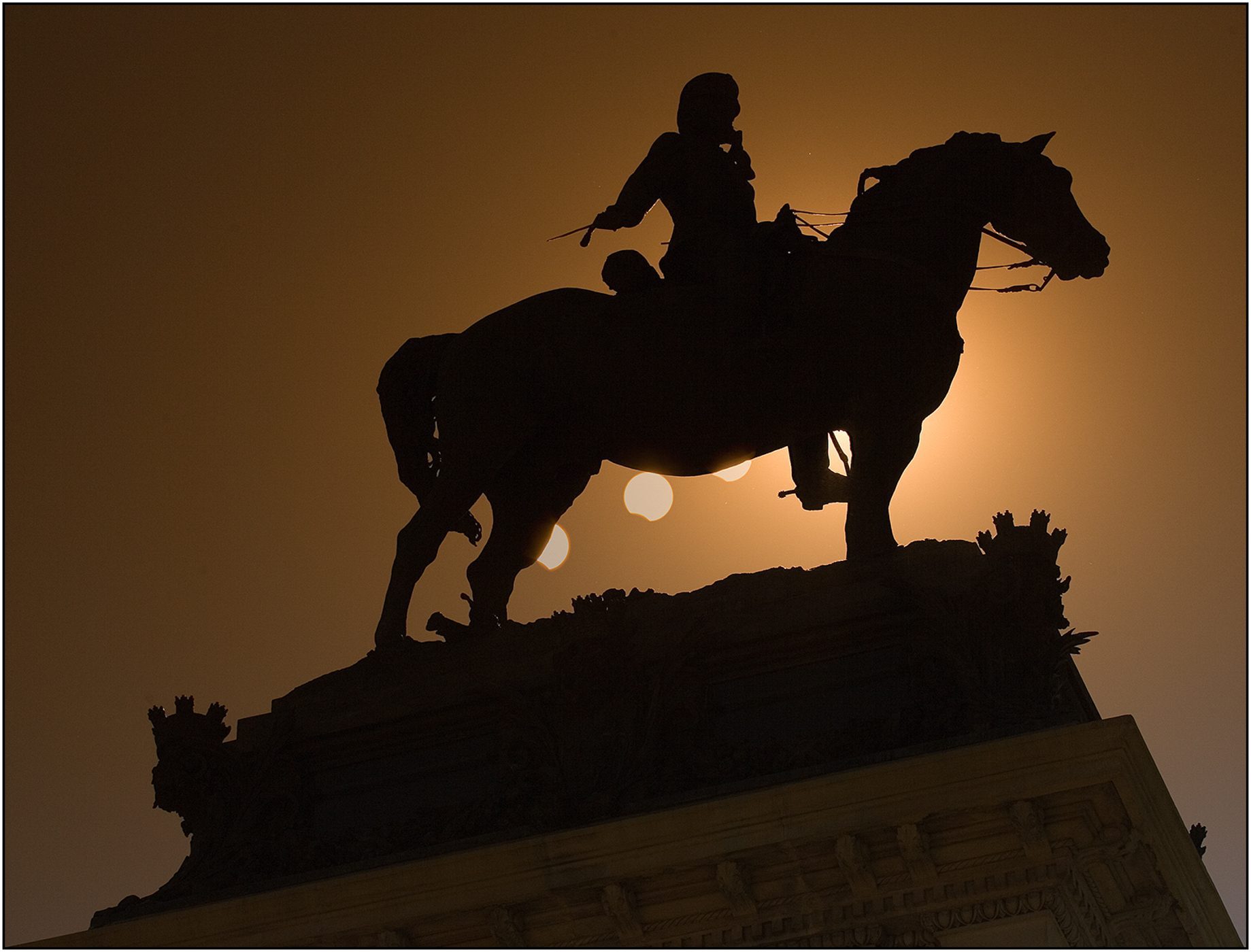
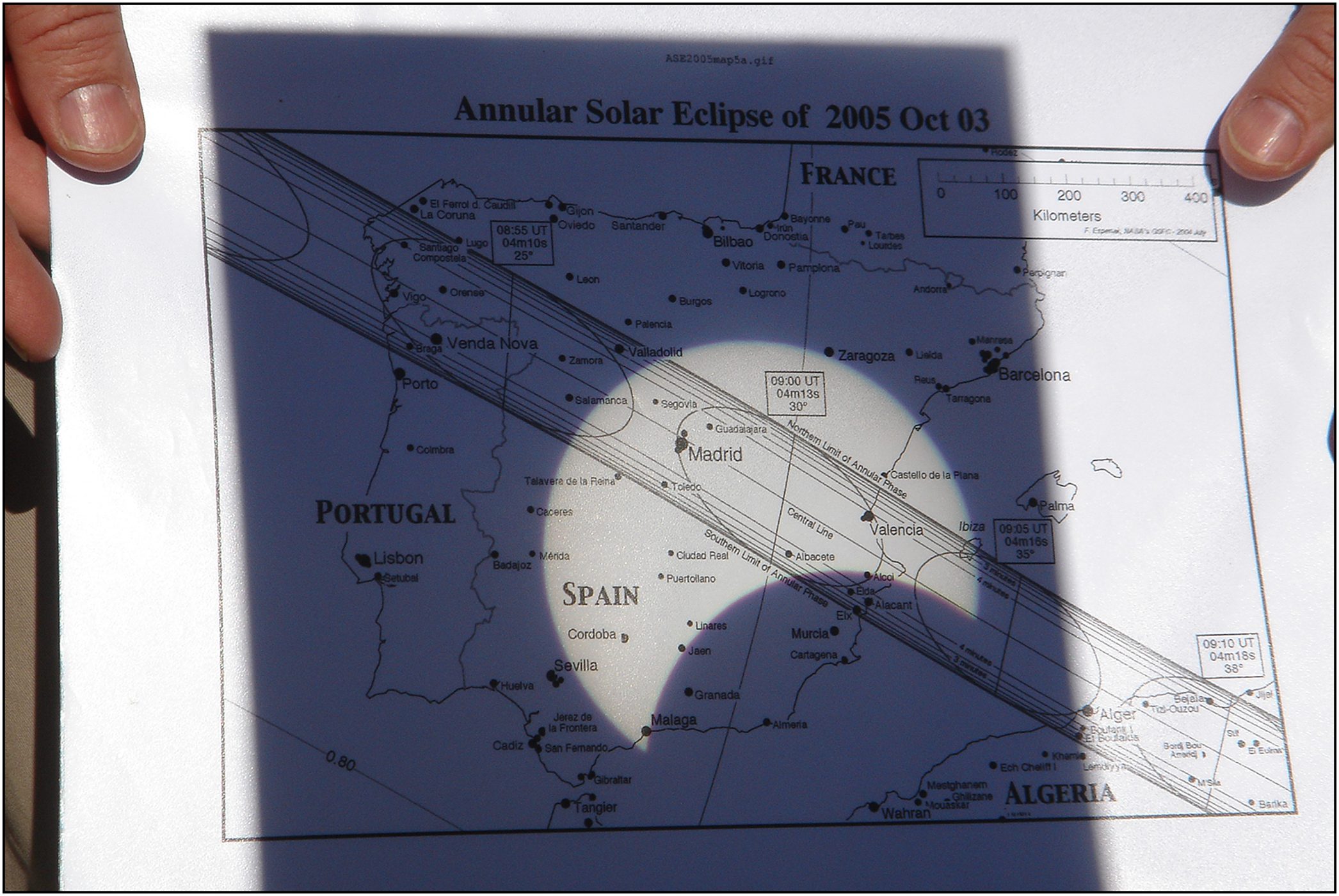
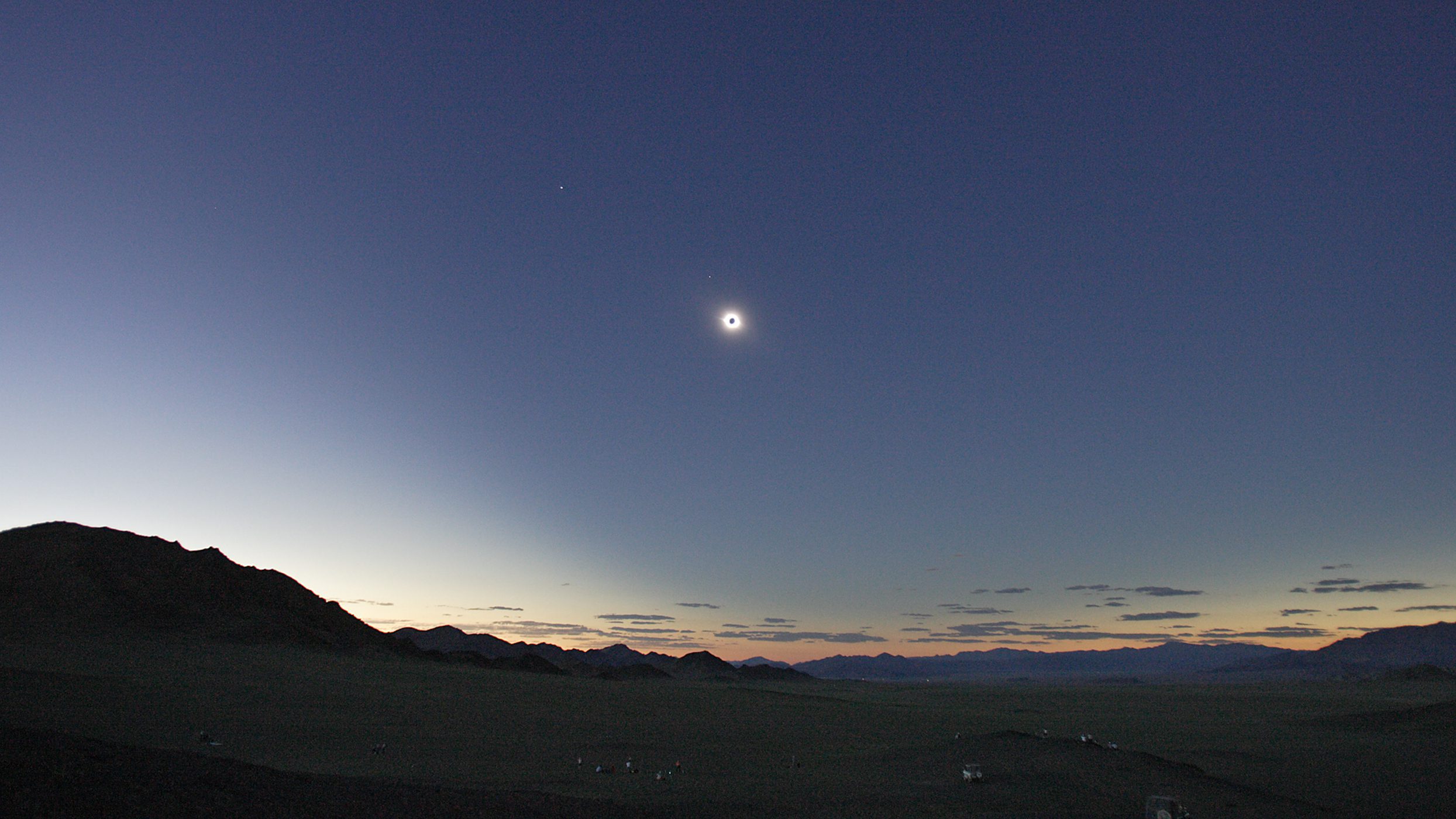
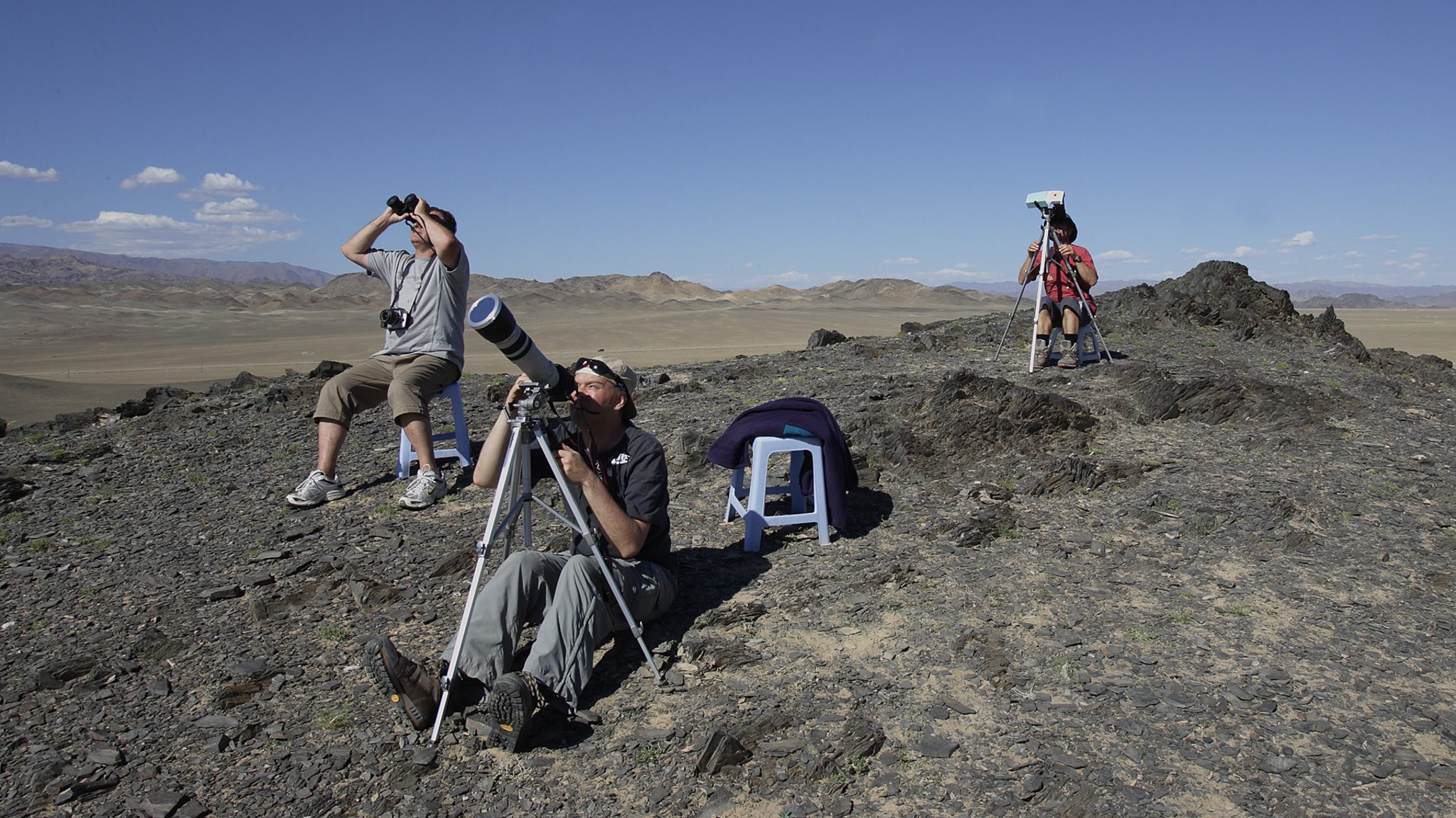
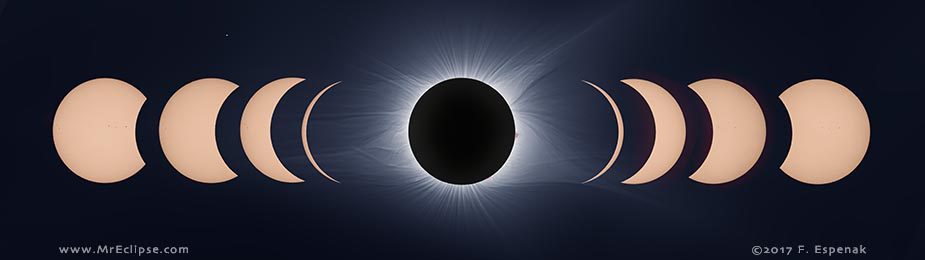
Dat kan heel zeker. We geven hier alvast enkele voorbeelden: je kunt tijdreeksen maken zodanig dat je de evolutie van het fenomeen aan de hemel kunt tonen, je kunt de zon projecteren in plaats van rechtstreeks te fotograferen, je kunt breedhoekopnames van het fenomeen of echte panorama’s van de waarnemingsplaats aan elkaar stitchen. De “sky is the limit” in deze. Alvast enkele sprekende voorbeelden.


Internet informatie over Zonsverduisteringen fotograferen
Internet informatie over:
– het fenomeen zonsverduistering: Wikipedia (NL – FR – EN) –  YouTube (NL – FR –EN)
– de Saros-cyclus: Wikipedia (NL – FR – EN) – YouTube (NL – FR –EN)
Andere interessante websites in verband met zonsverduisteringen:
– NASA Eclipse Web site
– Five Millennium Catalog of Solar Eclipses
Onze foto’s over Zonsverduisteringen fotograferen
Onze foto’s, video’s, … zijn allen (c) 2004-2026, Top.Vlaanderen, België. Ze mogen niet “zomaar” worden overgenomen of gebruikt. Wil je ze gebruiken voor een of ander project, contacteer ons vooraf en we kijken hoe we kunnen samenwerken. Wil U uw eigen toeristische attractie, B&B, vakantiewoning… laten fotograferen door ons, dat kan ook. Neem hiervoor contact met ons op via ons Contactformulier .
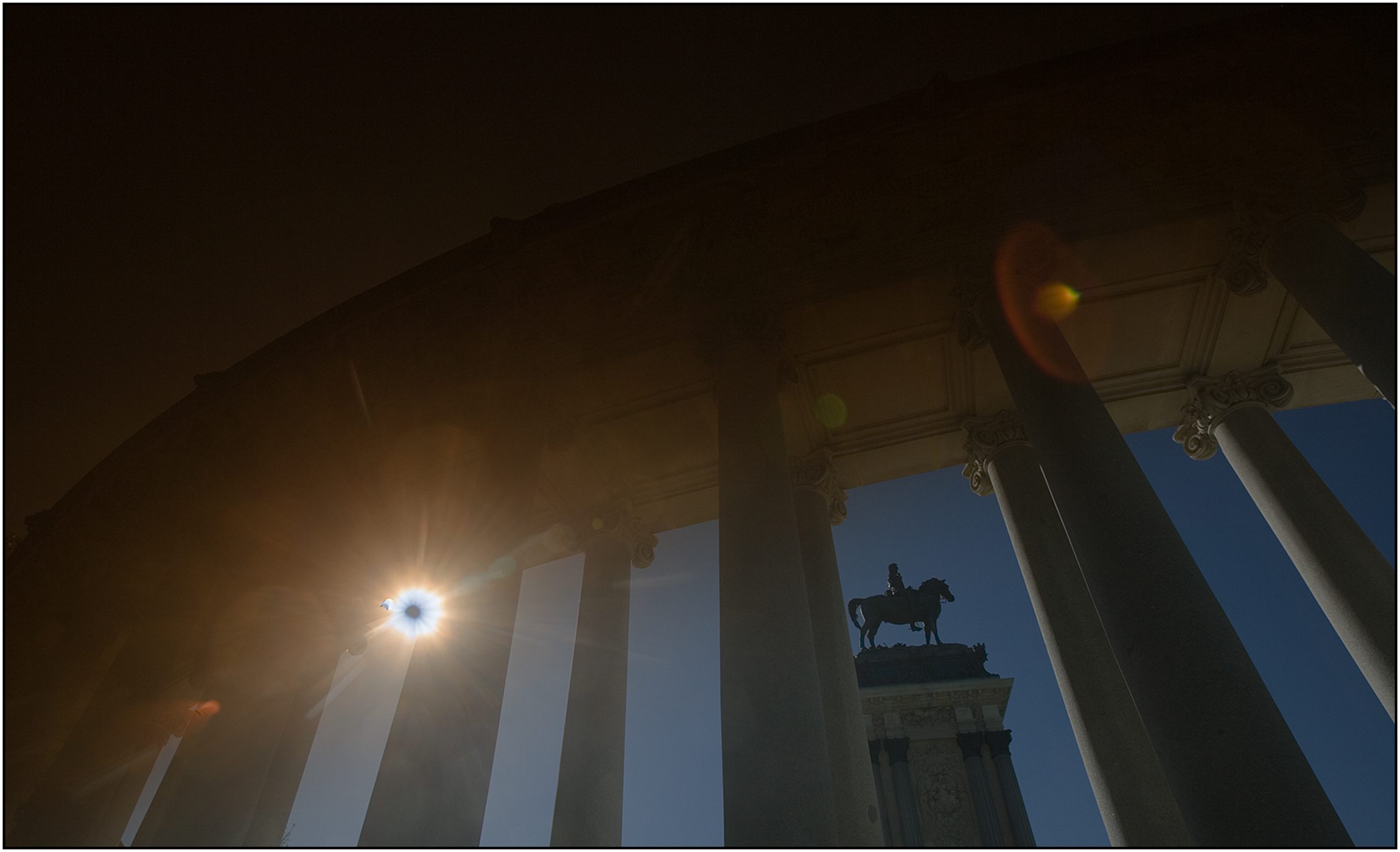
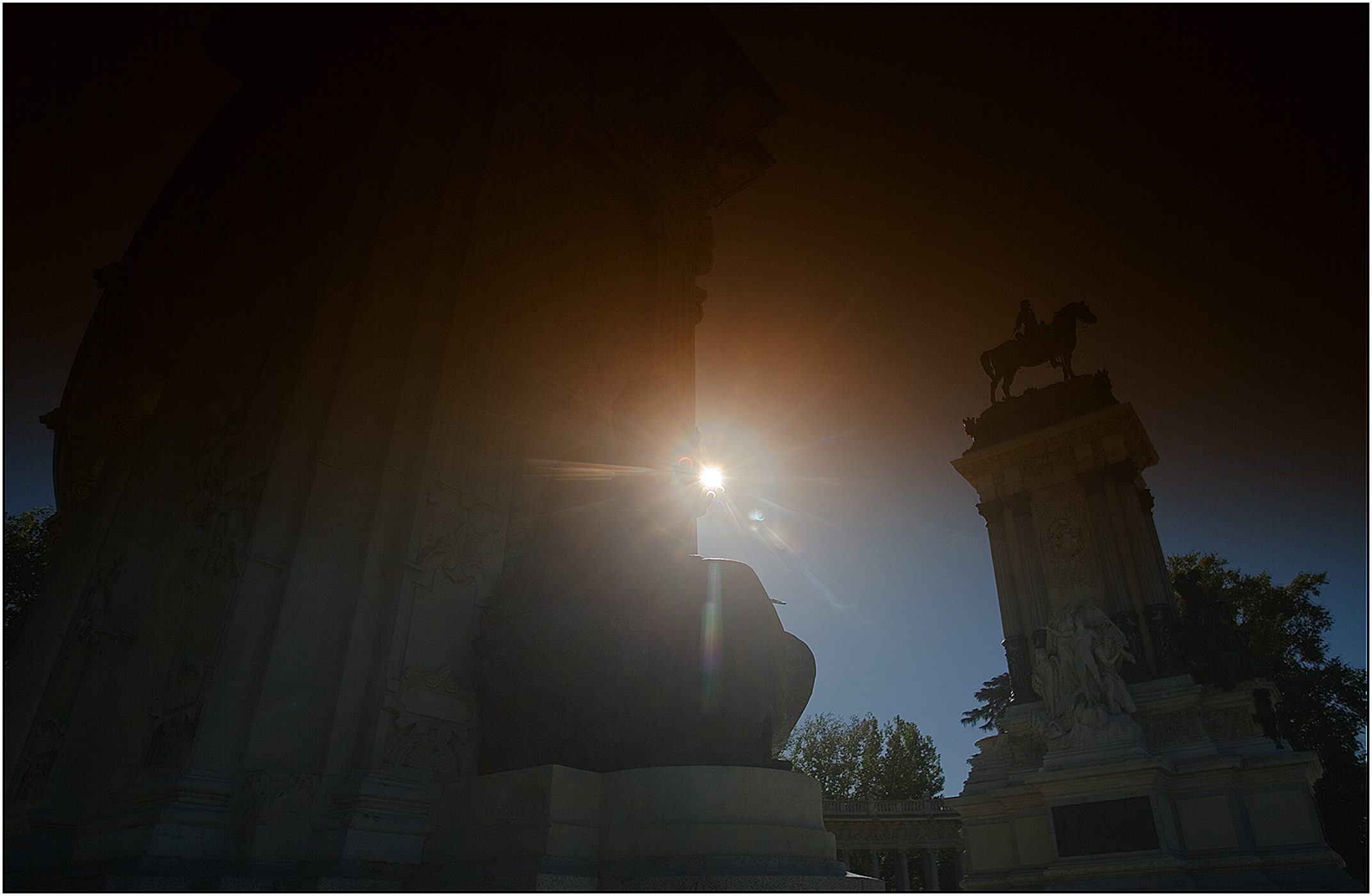
Foto’s van de Ringvormige Zonsverduistering van 3 oktober 2005 (Madrid, Spanje)
Klik op een van de onderstaande foto’s om de fotocarrousel op te starten…
Klik op een van de onderstaande foto’s om de fotocarrousel op te starten…
Foto’s van de Totale Zonsverduistering van 8 april 2024 (Lake Clear, USA)
De lokale omstandigheden waren eigenlijk in principe zeer goed te noemen; We hadden wem last van hoge cirrus bewolking. Dat er veel ijskristallen in de lucht waren kun je zien aan de halo die we konden fotograferen rond de Zon. Tijdens de partiële fasen, dat zijn fases waarbij de Maan nog maar voor een stukje voor de Zon is geschoven, moet je de Zon nog fotograferen met een speciaal lichtafzwakkend zonnefilter. Dan zie je meteen ook of er zonnevlekken op de fotosfeer van de Zon te zien zijn. In ons geval waren er enkele zonnevlekken te zien. Wanneer je scherpe foto’s maakt zal je zien dat deze vlekken een donker gedeelte en een minder donkerte gedeelte hebben (we noemen deze de umbrae en de penumbrae).
Fotografeer nooit de Zon zonder gebruik te maken van een speciaal zonnefilter!
Enkel tijdens de totaliteitsduur kan en moet je zonder filter fotograferen.
Klik op een van de onderstaande foto’s om de fotocarrousel op te starten…


Disclaimer: Alle informatie die op top.vlaanderen wordt gepresenteerd werd met de grootste zorg samengesteld. Ze wordt ook regelmatig nagezien. Indien U opmerkingen heeft, fouten ziet, aanvullende informatie hebt, enzovoort… contacteer ons dan via ons contactformulier. Wij zijn niet verantwoordelijk voor mogelijks foutieve of onvolledige informatie.